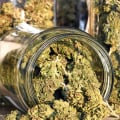
Hybrid cannabis refers to cannabis varieties developed by combining characteristics associated with different cannabis lineages. In modern wellness conversations, hybrids are sometimes discussed because their cannabinoid and terpene profiles may differ from one product to another. However, labels such as “hybrid” do not guarantee a predictable physical or psychological experience. Effects can vary according to THC and CBD concentrations, other cannabinoids, terpene composition, potency, individual biology, previous cannabis exposure, and the amount consumed. For this reason, anyone considering cannabis should look beyond general strain labels and consider the specific product and their own circumstances. Understanding these differences can encourage more realistic expectations and more informed decisions.
Exploring Potential Mind-Body Effects
Cannabis can affect both physical sensations and mental experiences, although responses are highly individual. THC, the primary intoxicating cannabinoid, may alter perception, mood, attention, coordination, and memory. Some adults report feeling relaxed or experiencing changes in sensory perception, while others may experience unwanted effects such as anxiety, dizziness, increased heart rate, or impaired judgment. CBD is not intoxicating in the same way as THC, but products containing CBD can still have effects and may interact with certain medications. Because a hybrid product can contain varying amounts of these compounds, its effects should not be assumed based solely on the word “hybrid.” Individual responses remain an important consideration when evaluating cannabis within any personal routine.
Considering Wellness Goals
Modern wellness emphasizes personalized choices, and people may have different goals when exploring cannabis. Some may be interested in relaxation, while others may be curious about recreational experiences or cannabinoid products. Wellness goals can provide a useful framework for thinking about whether cannabis aligns with an individual's broader lifestyle. However, cannabis should not automatically be considered a wellness treatment simply because it is plant-derived or marketed using wellness language. Established habits such as regular movement, nutritious eating, adequate sleep, meaningful social relationships, and healthy stress-management techniques remain important foundations of overall well-being. Cannabis, where legal and appropriate, should be evaluated as a personal choice rather than a universal solution.
Recognizing Emotional and Psychological Factors
The mind-body relationship is particularly relevant when considering cannabis because emotional state can influence how an individual experiences psychoactive substances. Someone who is already stressed or anxious may respond differently than someone who feels calm and comfortable. Using cannabis as the primary way to cope with persistent emotional distress may also prevent underlying concerns from receiving appropriate attention. Individuals experiencing ongoing anxiety, low mood, significant stress, or other psychological difficulties may benefit from professional guidance. When appropriate, resources such as Cabot Psychological Services Minneapolis MN can provide additional support for individuals seeking help with emotional and psychological well-being. Professional care can complement broader wellness practices by helping people develop sustainable coping strategies.
Practicing Informed and Responsible Wellness
Anyone considering hybrid cannabis should understand potential impairment and avoid driving or operating machinery while affected. Combining cannabis with alcohol or other substances may increase impairment and introduce additional risks. Individuals who take medications, have medical or psychiatric conditions, or are pregnant or breastfeeding should consult an appropriate healthcare professional before using cannabis. Local laws should also be reviewed because regulations vary by location. Ultimately, exploring hybrid cannabis within a modern wellness context requires balance. Recognizing individual differences, understanding product characteristics, maintaining realistic expectations, and prioritizing established health practices can help people make more thoughtful decisions. A whole-person approach to wellness considers physical health, emotional well-being, relationships, daily responsibilities, and long-term goals rather than depending on one product to provide all the answers.